


Living Sculpture: A Study in Strength and Grace

Every so often, a photographic project reminds me why I was drawn to the human form in the first place.

Recently, I had the opportunity to photograph two extraordinary female fitness athletes. Their identities will remain private, allowing the images to speak not about individuals, but about form itself. What interested me was not the world of competition or the pursuit of physical perfection. Rather, I wanted to explore the beauty that emerges when strength, light, and the female form come together as fine art.

The human body has inspired artists for centuries. From the marble figures of classical antiquity to the expressive works of Auguste Rodin, sculptors have sought to capture more than anatomy. They revealed movement, emotion, tension, and grace within stone. Standing behind the camera, I often feel connected to that same artistic tradition. Instead of chisels and marble, my tools are light and shadow.

Edward Weston once transformed peppers, shells, and the human body into elegant abstractions through his mastery of form. Ruth Bernhard elevated the nude into something almost spiritual, using light to reveal both strength and serenity. Their work has long influenced my own approach to photography. Rather than documenting the body, I strive to interpret it—to allow light to carve, define, and reveal.

This project offered an ideal canvas for that exploration.
The remarkable musculature these women developed through years of discipline became more than evidence of athletic achievement. Under carefully controlled lighting, every contour became part of a visual landscape. A shoulder emerged from darkness like polished marble. Light traced the curve of a back before disappearing into shadow. The subtle definition of an arm or the elegant tension in a leg created rhythms that were as much about composition as anatomy.

Yet despite their incredible physical strength, what struck me most was that their femininity remained unmistakable.
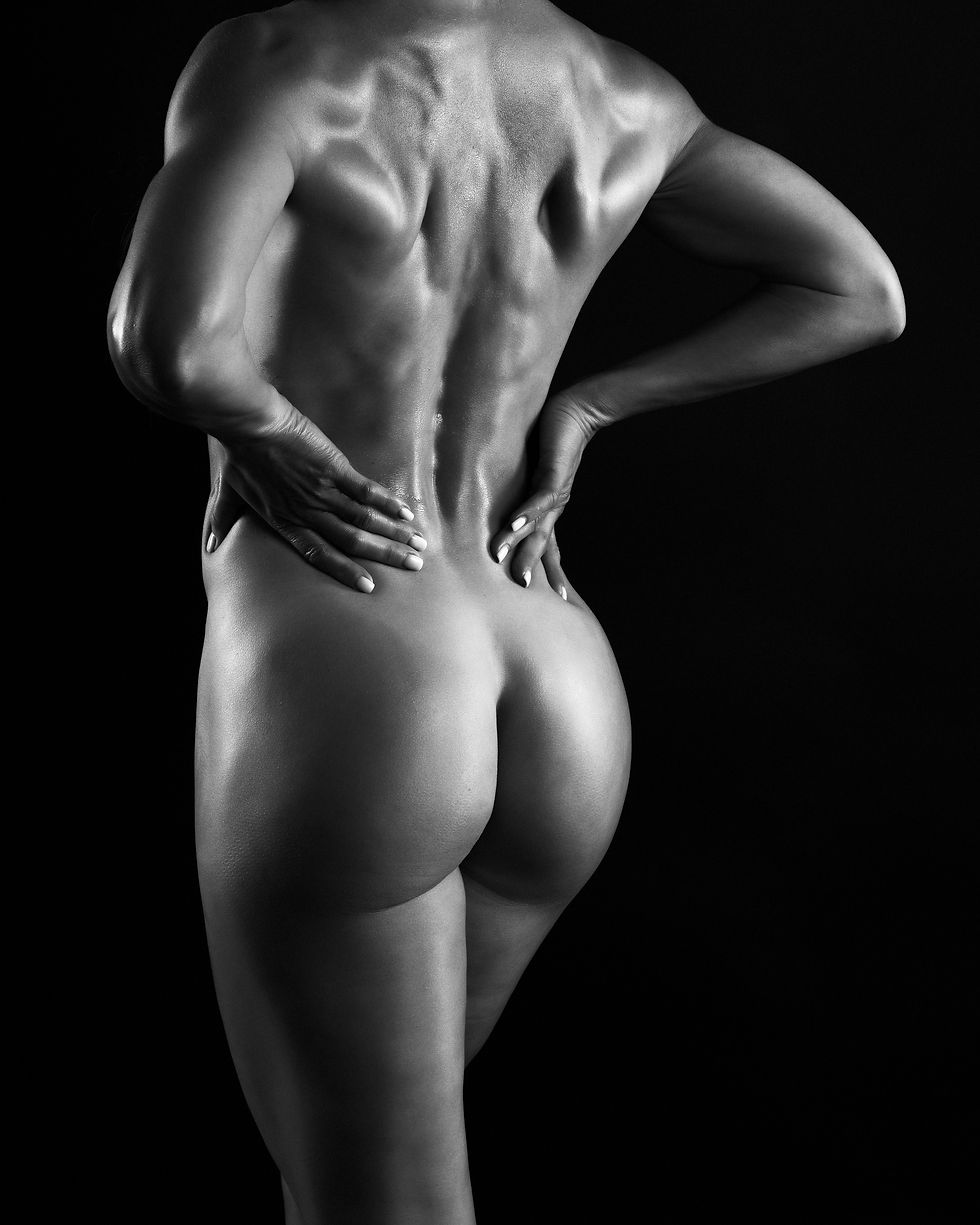
There is a persistent misconception that strength somehow diminishes softness or elegance. My experience behind the camera has shown precisely the opposite. Confidence, grace, and power often exist together in perfect harmony. These women embodied that balance beautifully. Their physiques spoke of discipline and resilience, while their movement, posture, and presence expressed something timelessly feminine.
By keeping the models anonymous, I hope the viewer's attention naturally shifts away from identity and toward the universal language of form. Without the distraction of recognition, the eye is free to appreciate line, proportion, texture, and the way light gently sculpts the body. The photographs become less about portraiture and more about the enduring relationship between the human figure and artistic expression.

This has always been the heart of my work.
Whether I am photographing a classical figure study, a bodyscape, or experimenting with projected light, I return again and again to the same question: How can light reveal beauty in ways our eyes often overlook? The answer is rarely found in complexity. It is found in simplicity—in a single highlight, a graceful curve, or the quiet dialogue between illumination and shadow.
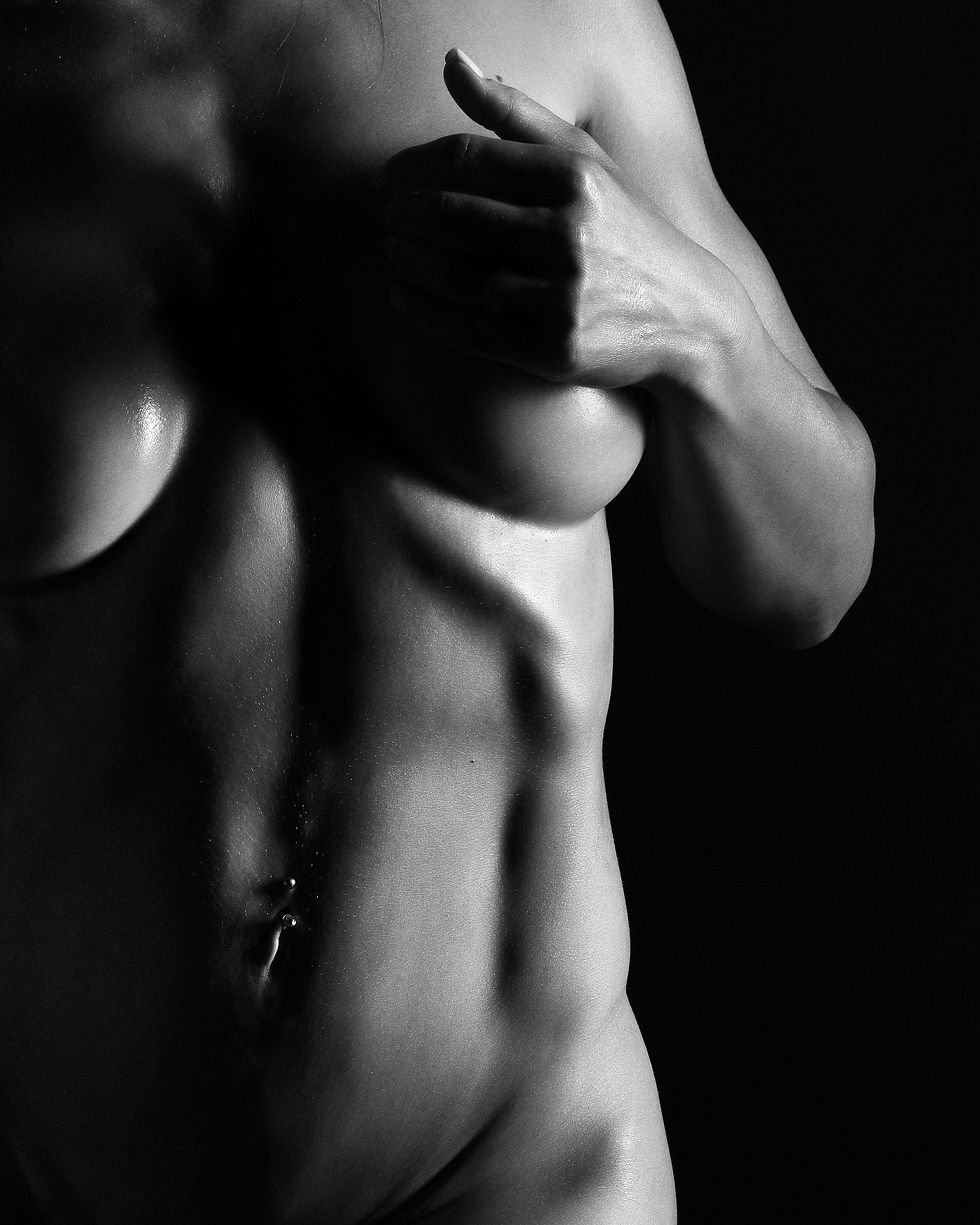
Looking through the final images from this session, I was reminded that the finest sculptures are not always carved from marble or cast in bronze. Sometimes they are living works of art, shaped through years of dedication and revealed, if only for a moment, through the language of light.

For me, that is what fine art nude photography has always been about: not simply photographing the human body, but celebrating it as one of nature's greatest artistic achievements.


Comments