


The Art of the Nude: Why the Human Form Still Inspires Artists

From the earliest cave drawings to contemporary photography, the human body has remained one of art’s most enduring subjects. Across centuries, cultures, and creative movements, artists continue to return to the nude not out of habit, but because the human form offers an unmatched language for expressing beauty, vulnerability, strength, and emotion. The body is both deeply personal and universally understood—a living landscape shaped by light, time, and experience.
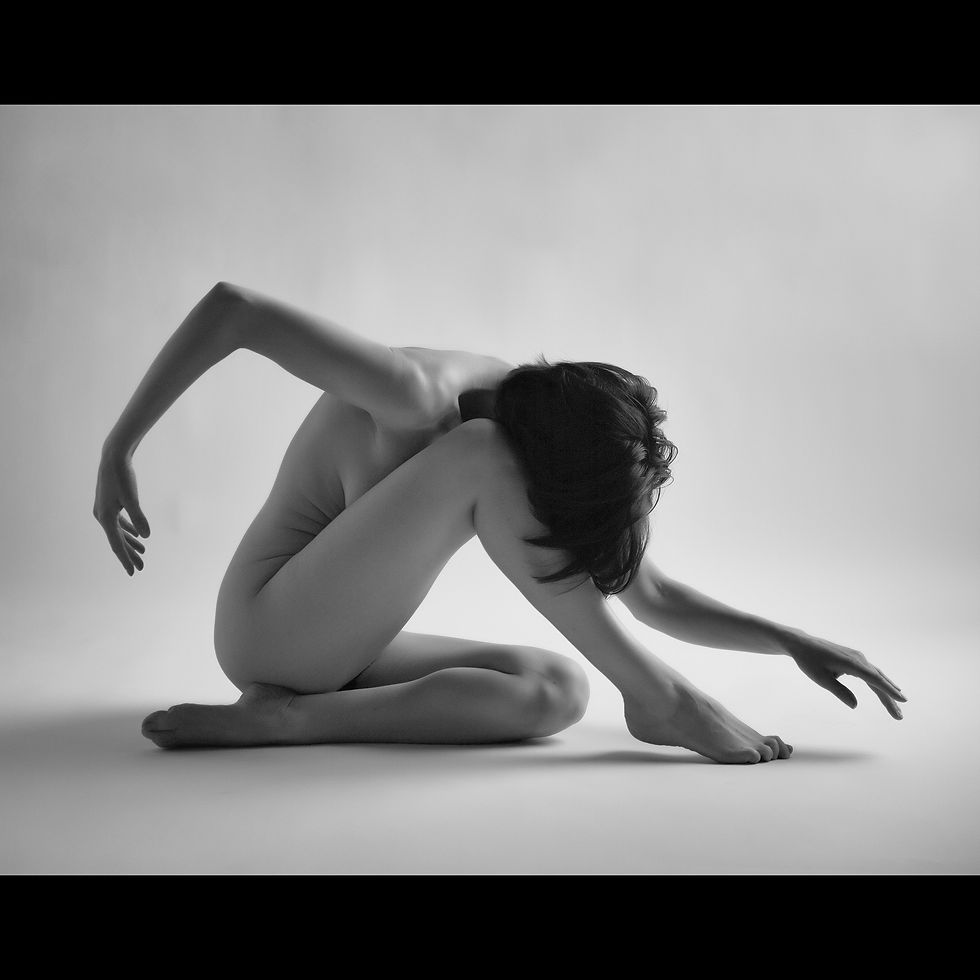
The nude endures because it is endlessly expressive. A subtle shift in posture can suggest confidence, surrender, tension, or serenity. The curve of a shoulder, the line of a spine, the placement of a hand—these are not merely anatomical details, but visual poetry. Artists are drawn to the figure because it allows them to explore form, composition, and rhythm while also engaging something profoundly human. The body becomes a bridge between the physical and the emotional, the visible and the felt.
Historically, the nude has served many roles. In classical sculpture and Renaissance painting, it symbolized ideal beauty, harmony, and proportion. In modern and contemporary art, it often moves beyond ideals to embrace individuality, imperfection, and psychological depth. Today’s artists are less interested in perfection than in presence. Scars, softness, strength, age, and asymmetry all become part of the story. The nude is no longer just something to look at—it is something to encounter.
What continues to inspire artists is not simply the body itself, but what it represents. The human form carries identity, memory, and lived experience. It reflects culture, intimacy, resilience, and change. In a world increasingly mediated by screens and artificial images, working with the nude can feel like a return to something honest and elemental. It reminds both artist and viewer of our physical reality—of breath, weight, movement, and touch.
The nude also invites a unique collaboration between artist and subject. It requires trust, awareness, and intention. When approached with respect, the process becomes less about exposure and more about revelation: revealing character, energy, mood, and story. The resulting image is not simply a depiction of a body, but a portrait of presence.
Ultimately, the human form still inspires artists because it is the one subject we know from the inside out. We live within it. We experience the world through it. And through art, we continue to rediscover it—illuminated, transformed, and endlessly meaningful.



Comments