


Where Movement Meets Form: Fine Art Nude Photography Inspired by Dance

Fine art nude photography and dance share a common language: movement, rhythm, and an intimate understanding of the human form. When these two disciplines intersect, the result is imagery that transcends documentation and enters the realm of visual poetry. Featuring dance within fine art nude photography is not about spectacle or provocation—it is about honoring the body as an expressive instrument shaped by motion, discipline, and grace.
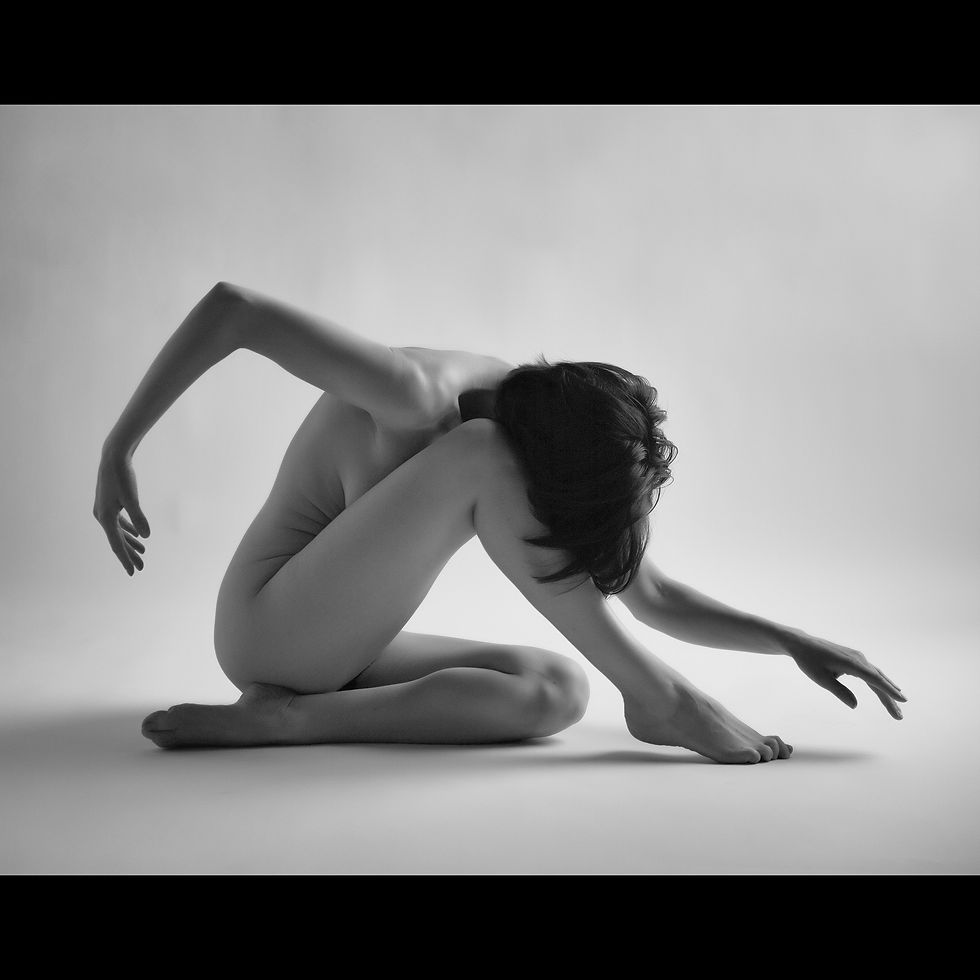
Dance introduces a dynamic element that challenges the traditional stillness of photography. A dancer’s body is trained to communicate emotion through line and gesture, creating shapes that feel intentional and alive even when frozen in time. Extended limbs, arched spines, and moments of suspension bring an architectural quality to the frame. Each pose carries echoes of the movement before and after the shutter click, inviting the viewer to imagine the unseen choreography.
In the context of the nude, dance strips away costume and narrative, allowing form and motion to speak without distraction. The absence of clothing emphasizes musculature, balance, and tension—details that are often central to both classical sculpture and contemporary dance. Light becomes a collaborator, sculpting the body as it would marble, revealing subtle shifts in weight and breath. Shadows trace movement paths, turning the photograph into a quiet record of physical intention.
This fusion also deepens the emotional resonance of the work. Dance is rooted in vulnerability and control, a balance that mirrors the experience of posing nude. The dancer is both exposed and empowered, fully present in their body. When photographed with care and collaboration, these images reflect trust and authenticity rather than performance for the camera. The result is work that feels intimate yet universal, grounded in respect for the subject as an artist in their own right.
Fine art nude photography featuring dance ultimately becomes a meditation on the human body as a vessel of expression. It reminds us that the nude form is not static or passive, but capable of storytelling through motion—even in stillness. By embracing the principles of dance, photographers can create images that celebrate movement, honor tradition, and continue the long artistic conversation about beauty, form, and the poetry of being human.




Comments